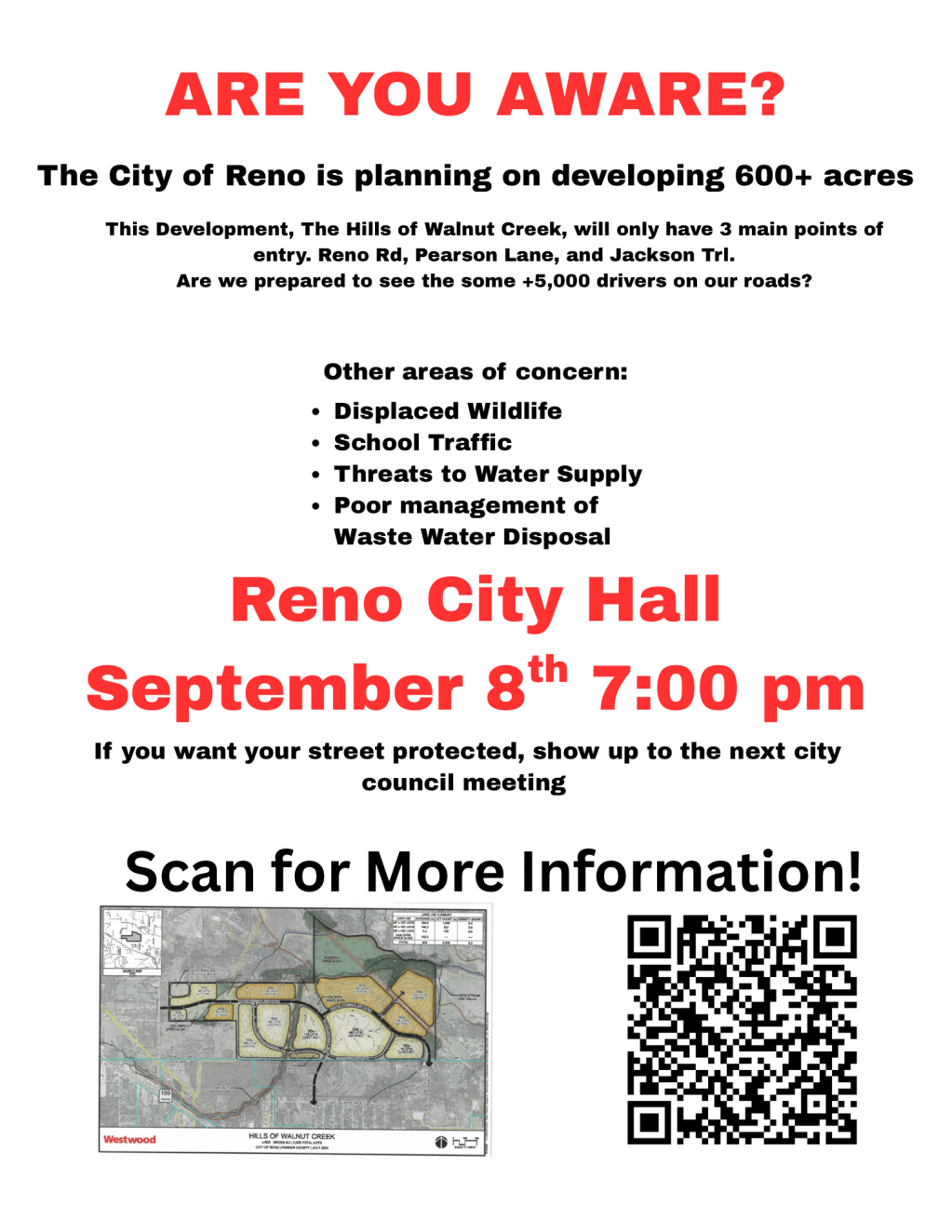
This week, the focus is on a major issue impacting Texas: urban sprawl. Over the past decade, Texas has seen record growth as people move here in search of more jobs, charity, and cheaper housing. Ironically, this influx has driven up housing costs, making profits for sellers but decreasing purchasing power for buyers. Texas remains a great place to live, with no state income tax and thriving business opportunities, but high property taxes and rising costs are notable challenges. The core values of hard work and fundamental faith are still cherished in our communities, and it’s not hard to see why residents take pride in living here, despite the heat and droughts that define our summers .
The Impact of Urban Sprawl
Urban sprawl has sparked significant changes in the local landscape industry and the environment. As development pushes into former farmland, wildlife is displaced, and neighborhoods face increasing encounters with hungry deer seeking food in yards—deer resistance in plants becomes unreliable when survival is at stake. Both rural and urban Texans deal with this reality, especially during harsh, dry summers .
Balancing Peace, Development, and Farmland Loss
Everyone wants their own piece of quiet, which drives urban sprawl. Families seek suburban life for privacy, but the cost is farmland lost daily—land that is difficult and slow to reclaim. Some developers plan to include parks, offering some balance, but water resources and wildlife displacement remain significant concerns. Increased suburban traffic, especially on poorly maintained one-lane country roads, can overwhelm local infrastructure and change the daily lives of residents .
Traffic, Taxes, and Community Planning
Poorly planned development often leads to traffic congestion and safety issues in rural neighborhoods. Residents may not receive city services despite annexation and increased taxes, creating frustration and a disconnect between local governance and community needs. The September 8 meeting at Reno City Hall (7 p.m.) is a crucial opportunity for neighbors and concerned citizens to voice their concerns, advocate for sensible planning, and discuss alternatives—like limiting new roads or designating emergency-only access routes—to preserve safety and community character .
Landscaping Solutions: Support Native Texas Plants
Urban sprawl and development affect landscaping choices and ecological balance. As local spaces are transformed, it’s vital to support native Texas plants, which thrive with minimal watering and attract indigenous pollinators. Over-watering is a leading cause of plant death, especially for natives adapted to local conditions. Introducing more varieties of native shrubs and evergreen species could greatly benefit landscapes while conserving water and supporting pollinators like bees .
Join the Conversation and Get Involved
Self-Proclaimed Expert aims to bring community voices to the forefront of the urban sprawl discussion. Join the September 8 meeting at Reno City Hall at 7 p.m. to share concerns, propose ideas for smarter development, and help protect what makes Texas unique—from farmland to local wildlife to safe, walkable streets. Community input is invaluable in shaping a responsive urban and suburban landscape. Connect at nativeselfproclaimedexpert.org to suggest guests or share your thoughts for future topics. Stay tuned for updates on the efforts to protect our road and lifestyle from unchecked urban sprawl .
Conclusion
Smart, sustainable development is essential to balancing Texas’s growth with its cherished open spaces. Do not blame those seeking the peace of country life—it’s a choice shared by many. However, let’s approach development thoughtfully: protect trees, conduct proper water studies, and ensure storm-water management helps rather than harms. Urban density belongs in city cores, while suburban and rural areas should remain spacious and safe for families. Attend the Reno City Hall meeting September 8 at 7 p.m.—your voice matters in the future of our region .
 Self-Proclaimed Expert
Leave a comment